Water DamageRESTORATION DETROIT

Detroit, MI · Wayne County · water damage line

Water damage restoration in Detroit, MI.

Call before it soaks in.

Burst pipe, sewer backup, water in the basement. One call reaches a Detroit-area restoration crew that pumps it out and dries what's left.

Call the line

(313) 788-9835

You'll talk to a Detroit-area restoration company. Say where the water is coming from.

Drawing of a basement wall with a water depth gauge marked at 5.77 inches, the rain Detroit got on June 26, 2021 123456 5.77 in DETROIT · JUN 26, 2021 BASEMENT · WAYNE COUNTY, MI

Where is the water coming from?

Pick one. You'll see what kind of water it is, what to do before anyone gets there, and what to say when you call.

Water type

Clean supply water, for now

Water from a supply line starts clean. EPA says materials dried within 24 to 48 hours usually don't grow mold, so that clock starts when the pipe lets go.

Burst and frozen pipes: what happens next

  1. Shut the main water valve. It's usually near the water meter, where the line comes into the house.
  2. If water is near outlets, cords or the furnace, stay out of the basement. DTE's electrical emergency line is 800-477-4747.
  3. Photograph the water and everything it touched before you move anything.
A pipe burst in the basement, the water's off now, and there's about two inches on the floor.Call (313) 788-9835
Water type

Contaminated water

EPA treats water that carries sewage as contaminated: it needs professional cleanup, and the wet drywall, carpet and pad usually come out.

Sewer backup cleanup: what happens next

  1. Keep kids and pets out, and don't wade in it without boots and gloves.
  2. Stop running sinks, the washer and the dishwasher. That water drains to the same place.
  3. Report the backup to DWSD at 313-267-8000. Under state law you have 45 days to file a damage claim with DWSD.
Sewage came up through the floor drain about an hour ago and it's still sitting there.Call (313) 788-9835
Water type

Treat it as contaminated

Detroit's rain and sewage share one system of about 3,000 miles of pipe. When a storm overloads it, what comes up the drain is a mix of both.

Storm and flood cleanup: what happens next

  1. Photograph every room and item before cleanup. Your insurer may want to see damaged things before they go to the curb.
  2. Check your policy. FEMA notes that standard homeowners insurance does not cover flood damage.
  3. If the water came up the drain, report it to DWSD at 313-267-8000 and note the date for the 45-day claim window.
The storm last night put water in the basement through the drain and the walls, maybe four inches.Call (313) 788-9835
Water type

Clean water, if you catch it early

A leaking tank or a split washer hose is supply water. Left sitting, it soaks into drywall, carpet pad and the bottom plate of the walls.

Water heater and washer leaks: what happens next

  1. Close the cold-water valve on top of the water heater, or the valves behind the washer.
  2. Turn the heater off. If you smell gas, leave the house and call DTE's gas emergency line at 800-947-5000.
  3. Move boxes and furniture off the wet floor if it's safe to stand there.
The water heater leaked overnight and soaked the carpet in the finished basement.Call (313) 788-9835
Water type

Water from above

Water through a ceiling travels along joists and shows up far from where it got in. A sagging ceiling is holding water.

Ceiling water damage: what happens next

  1. Stay out from under a sagging or bulging ceiling.
  2. If water is running near a light fixture, switch that circuit off at the panel, but only if the panel is dry and you're standing on a dry floor.
  3. Put a bucket under the drip and photograph the stain before it spreads.
Water's coming through the bedroom ceiling and the drywall is starting to sag.Call (313) 788-9835

Clean water, sewage and storm water

The source decides the cleanup. Here's what EPA, CDC, DWSD and FEMA guidance says about each.

Water cardEPA · CDC · DWSD · FEMA
Clean water
Sewage
Storm water
Where it comes from
A supply line, water heater or washer hose
The floor drain, basement toilet, tub or shower
Rain through drains, walls and windows
Is it contaminated?
Clean at first, dirtier the longer it sits
Yes. EPA says cleanup needs a professional
Treat it as dirty. EPA says it can mix with sewage
Run fans right away?
Yes, with dehumidifiers
No. EPA says not until the water is clean
Not until it's known to be clean
Carpet and pad
Dry within 48 hours (EPA)
Throw it out (CDC)
Usually comes out (EPA)
Drywall
Dry in place if it hasn't swollen
Cut out and replace
Cut out where it soaked through
First call
Shut the main valve, then this line
DWSD 313-267-8000, then this line
Your insurer for photos, then this line
Who may pay
Homeowners policy, depending on terms
A DWSD claim within 45 days, or a backup rider
Flood insurance (NFIP), not homeowners
Read more
Where it comes from

Clean water
A supply line, water heater or washer hose

Sewage
The floor drain, basement toilet, tub or shower

Storm water
Rain through drains, walls and windows

Is it contaminated?

Clean water
Clean at first, dirtier the longer it sits

Sewage
Yes. EPA says cleanup needs a professional

Storm water
Treat it as dirty. EPA says it can mix with sewage

Run fans right away?

Clean water
Yes, with dehumidifiers

Sewage
No. EPA says not until the water is clean

Storm water
Not until it's known to be clean

Carpet and pad

Clean water
Dry within 48 hours (EPA)

Sewage
Throw it out (CDC)

Storm water
Usually comes out (EPA)

Drywall

Clean water
Dry in place if it hasn't swollen

Sewage
Cut out and replace

Storm water
Cut out where it soaked through

First call

Clean water
Shut the main valve, then this line

Sewage
DWSD 313-267-8000, then this line

Storm water
Your insurer for photos, then this line

Who may pay

Clean water
Homeowners policy, depending on terms

Sewage
A DWSD claim within 45 days, or a backup rider

Storm water
Flood insurance (NFIP), not homeowners

Why Detroit basements flood

Detroit's rain and sewage run through the same pipes. When a storm fills them, the water looks for the lowest opening, and in most houses that's the basement floor drain. That's why a flooded basement here is so often a sewer backup.

5.77 in

Rain in one day on June 26, 2021, the most in 80 years, per the City of Detroit.

4 to 6 in

In four hours on August 11, 2014, across Wayne County, per NWS Detroit.

3,000 mi

Of combined sewer pipe under the city, per DWSD.

45 days

To file a damage claim with DWSD after a backup, under state law.

The first two days

EPA says wet materials dried within 24 to 48 hours usually don't grow mold. Everything on this slip is about beating that clock.

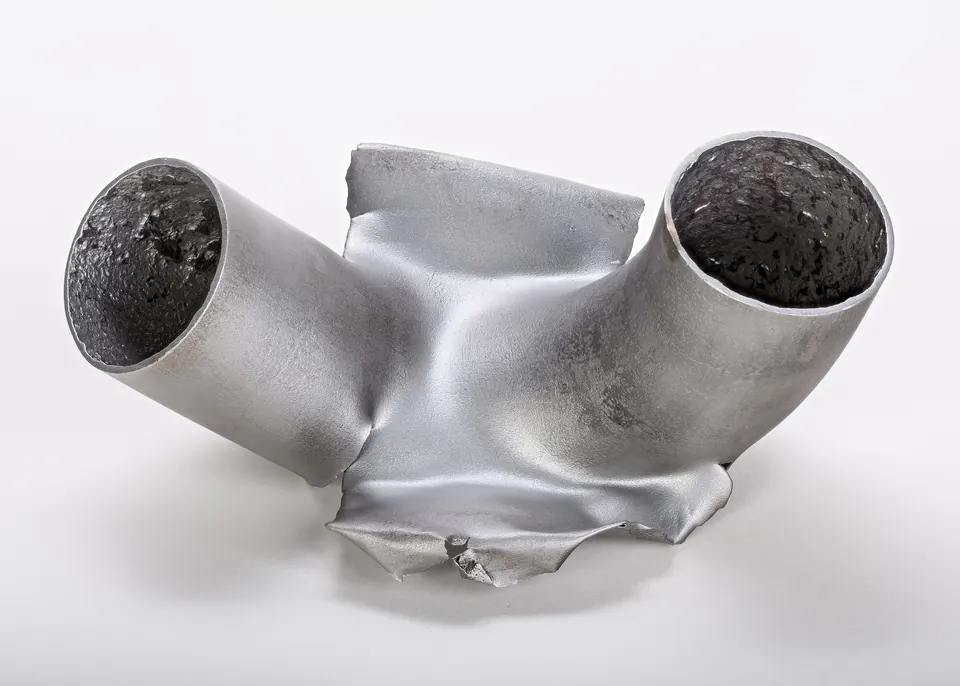
A burst steel pipe split open along its seam
0 to 10 minutes

The first ten minutes

Stop the water if you can and stay away from anything electrical. Shut the main valve or the valve at the appliance. If water is near outlets or the furnace, don't go down the stairs; DTE's emergency line is 800-477-4747. Then photograph everything before it moves.

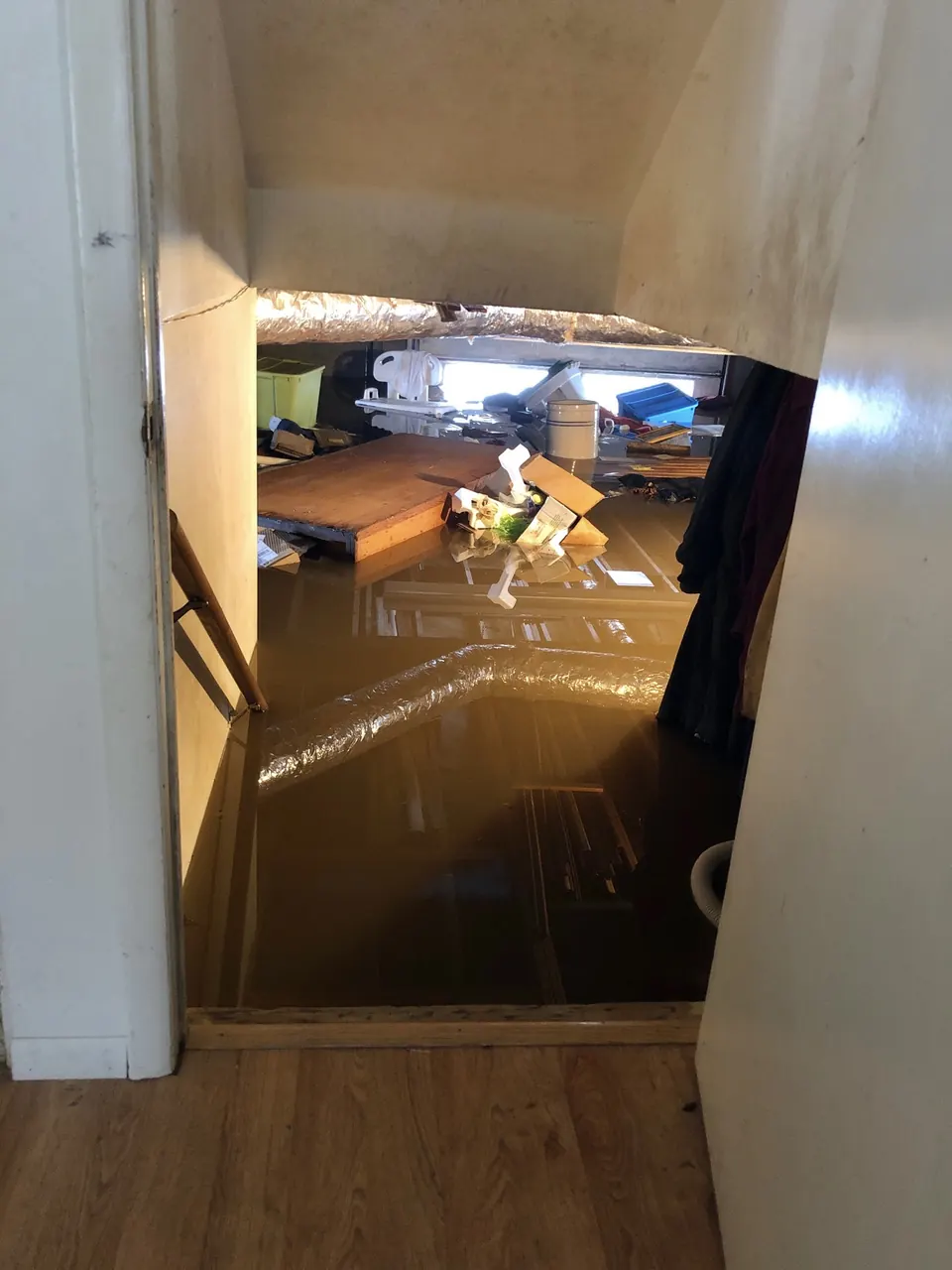
A basement with standing water across the floor
Same day

The same day

A restoration crew pumps out standing water, pulls wet carpet and pad, and sets fans and dehumidifiers (water extraction and drying). Ask your insurer before anything goes to the curb; they may want to see it first. Keep a list as items come out.

Ice floes on the Detroit River on a grey winter day
24 to 48 hours

Within 48 hours

The floor, the bottom of the walls and the framing need to be dry. EPA says wet materials dried in 24 to 48 hours usually don't grow mold. Sewage is different: EPA says that cleanup needs a professional.

Who else to call in Detroit

Some problems belong to the city or DTE first. Call them for these, then call this line for the cleanup.

The line serves Detroit, Dearborn, Hamtramck, Highland Park, Southfield, Redford, Warren and Grosse Pointe.

Questions people ask on the phone

Q.01

Who answers when I call?

A water damage restoration company that works in Detroit. This site is the phone line, not the crew. Tell them where the water came from and how deep it is, and they'll tell you what happens next.

Q.02

What does it cost?

It depends on how much water, what kind, and how much has to come out. The crew prices it on the phone or after they see it. There are no prices on this page because no two basements are the same.

Q.03

Will my insurance pay for it?

Maybe. FEMA notes that standard homeowners policies do not cover flood damage, and sewer backups and burst pipes are treated differently from policy to policy. Photograph everything before cleanup and call your insurer the same day.

Q.04

Sewage came up the floor drain. Is that the city's problem?

Report it to DWSD at 313-267-8000. Under Michigan law you have 45 days to file a damage claim with DWSD after a backup. The cleanup still can't wait for the claim, because sewage water is contaminated.

Q.05

How soon does mold start?

EPA says that if wet materials are dried within 24 to 48 hours of a leak, mold usually won't grow. Past that, wet drywall and carpet pad are where it starts.

Q.06

Do you cover my part of town?

The line serves Detroit and the cities around it, from Dearborn and Hamtramck to Southfield and the Grosse Pointes. Say your street when you call and they'll tell you right away.

Call the line

Water on the floor right now? Call and say where it's coming from.

(313) 788-9835

Sewage came up a drain? Report it to DWSD too, and read the DWSD claim guide before the 45 days run out.

Call now(313) 788-9835