Home / Mold remediation
Mold remediation in Detroit, MI
Mold after a leak, a flooded basement or a sewer backup. Small patches on hard surfaces you can often handle yourself. Bigger areas, or mold from sewage, need a crew. Call and describe what you see.
Call the line
(313) 788-9835You'll talk to a Detroit-area restoration company. Say where the water is coming from.
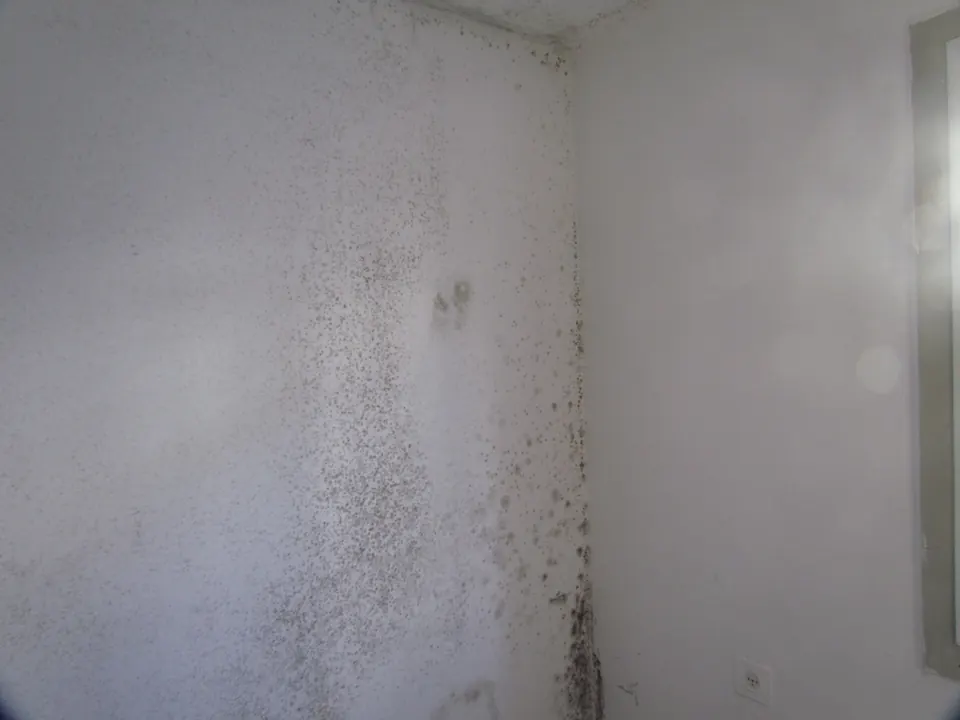
When you can clean it yourself, and when you can't
EPA's rule of thumb: if the moldy area is less than about 10 square feet, roughly a 3-by-3-foot patch, you can usually handle it. Bigger than that, or in the walls or ductwork, it's a job for a crew.
Size isn't the only test. EPA says if the mold came from sewage or other contaminated water, call a professional regardless. In Detroit, where sewer backups are common, that covers a lot of basement mold.
What doesn't work
- Painting or caulking over it. EPA says clean and dry the surface first.
- Killing it and leaving it. EPA notes dead mold is still allergenic, so it has to be physically removed.
- Mixing bleach and ammonia. The fumes are toxic; EPA says never combine them. Follow the product label.
Porous materials such as ceiling tiles, carpet and drywall may have to be thrown away once mold grows into them. Hard surfaces can usually be scrubbed with water and detergent and dried right away.
Why it started, and how to keep it from coming back
Mold needs moisture. EPA says wet materials dried within 24 to 48 hours usually don't grow mold, so most mold traces back to water that sat too long after a burst pipe, a roof leak or a flooded basement.
Fix the water source first, then keep indoor humidity below 60 percent, ideally 30 to 50 percent. If a flooded house couldn't be dried within two days, EPA says assume mold is growing and wear at least an N-95, goggles and gloves when you go in.
Related
Questions people ask
Do I need a mold test before cleanup?
If you can see or smell it, the job is to remove it and fix the moisture. Ask the crew whether testing would change what they do in your house.
Is black mold more dangerous?
Treat any mold after water damage the same way: remove it, dry the area and fix the source. EPA's size and sewage rules decide whether you need a crew, not the color.
Will the mold come back?
It comes back if the moisture does. Fix the leak and keep humidity below 60 percent.