Home / Commercial water damage
Commercial water damage in Detroit, MI
A flooded storefront, an office with a burst line overhead, a church basement after a storm. Commercial buildings follow the same 48-hour clock as houses, with more square footage and more people to keep safe.
Call the line
(313) 788-9835You'll talk to a Detroit-area restoration company. Say where the water is coming from.
The plan EPA wrote for buildings like yours
EPA's guide to mold and water damage in schools and commercial buildings has a table for the first 24 to 48 hours: extract water from carpet and dry it, dry drywall in place only if it hasn't swollen, discard wet ceiling tiles and insulation, and dry concrete and wood with dehumidifiers and fans. The extraction and drying page lays it out item by item.
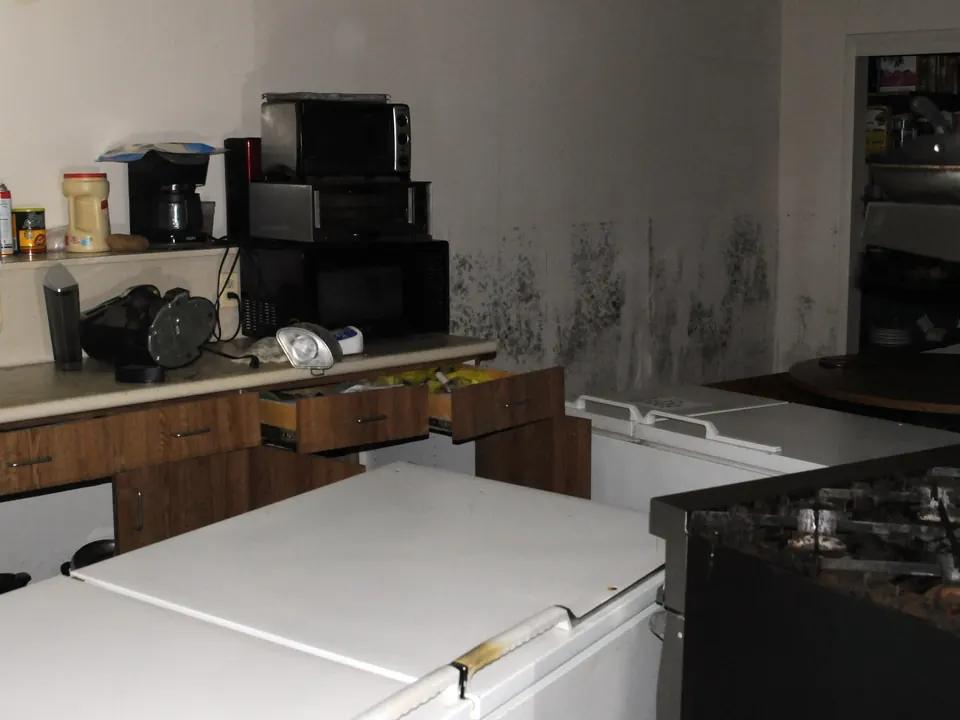
If anything has been wet more than 48 hours, EPA's mold remediation guidance applies instead. See mold remediation.
Sewage in a commercial space
EPA says sewage or other contaminated water changes the job: OSHA requires protective equipment and containment, and fans stay off until the water is known to be clean. Keep staff and the public away from the area until it's cleaned. The sewer backup page covers the DWSD side.
Where the water usually comes from
EPA names the usual sources in commercial buildings: roof leaks, gutters and landscaping that send water at the walls, and maintenance that got put off. Moisture control, EPA says, is how you control mold indoors.
When you call, say what kind of building it is, which floors are wet, and whether the space is open to the public.
Related
Questions people ask
Can we stay open during drying?
Often, for clean water, with the wet area closed off. With sewage, EPA's containment rules mean the area stays closed until it's cleaned.
Who should I call first, the insurer or the crew?
Both, the same day. Photograph everything first. The insurance guide covers what adjusters ask for.